
UPCOMING TITLES
From Medieval Confession
to Our Digital Lives,
and What Comes Next...
Non-Fiction
The
Perfectible self
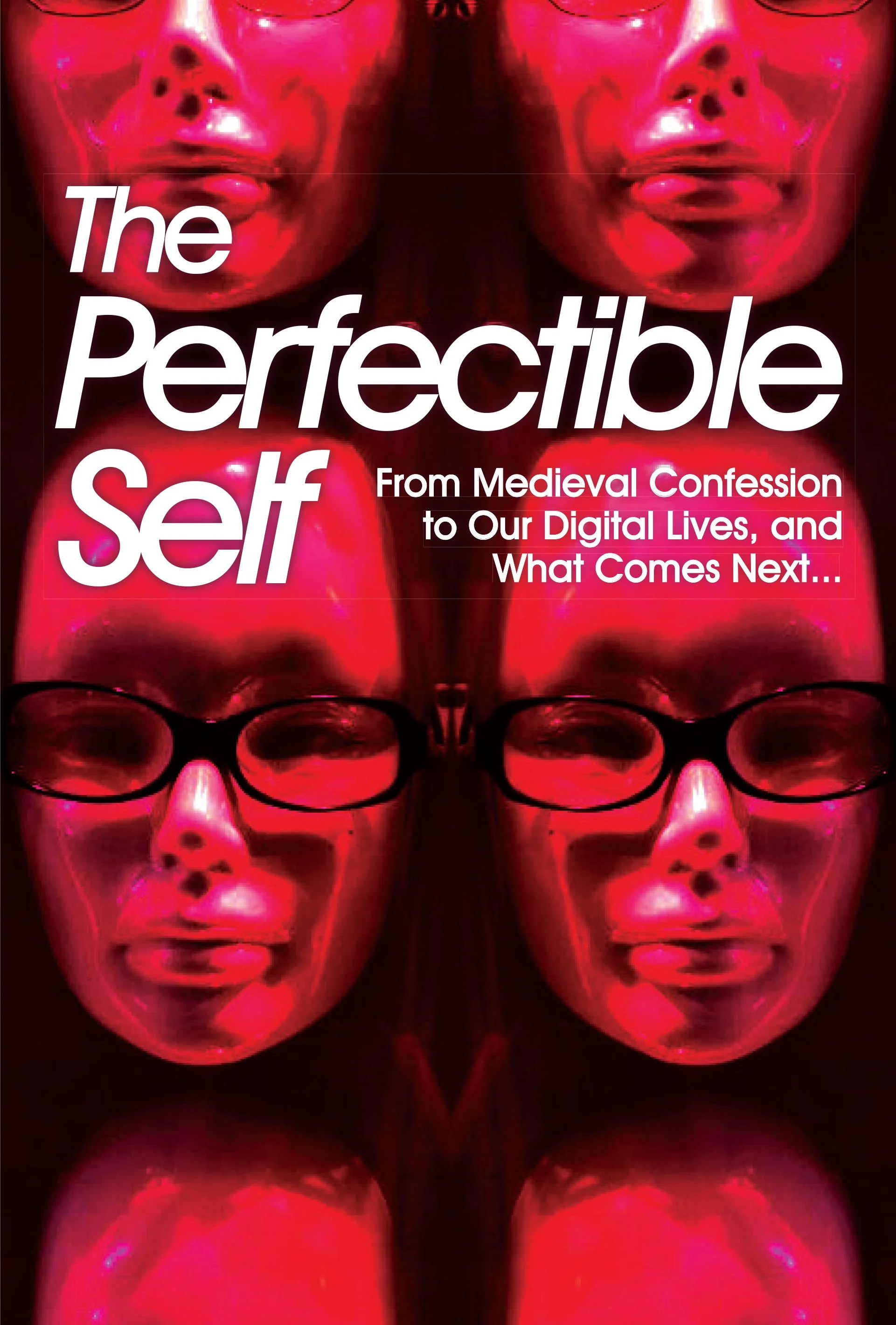
The Perfectible Self offers one of the first genealogical analyses of contemporary self-improvement culture, tracing how optimization imperatives colonized human experience as a cultural logic, from medieval religious practices, through Enlightenment rationality, to modern self-improvement regimes and digital surveillance capitalism. Neilan reveals how perfectibility culture emerged through specific historical transformations, arguing that contemporary self-improvement culture represents not natural human development but a particular historical formation that carries the risk of systematically preventing the satisfaction and authenticity it promises.
Through analysis of confession technologies, disciplinary institutions, therapeutic expertise, meritocratic evaluation, fitness culture, cosmetic enhancement, neurochemical optimization, and social media performance, the book demonstrates how perfectibility imperatives create comprehensive systems of surveillance and control disguised as personal empowerment and individual choice.
The analysis culminates with the identification of “perfectibility pathologies” that, often framed may as resulting from inadequate self-improvement, may actually emerge from successful implementation of optimisation principles themselves.
The
inhabitant
Some houses are arguments.
Some archives are weapons.
Some questions, once opened,
resist resolution.
Fiction
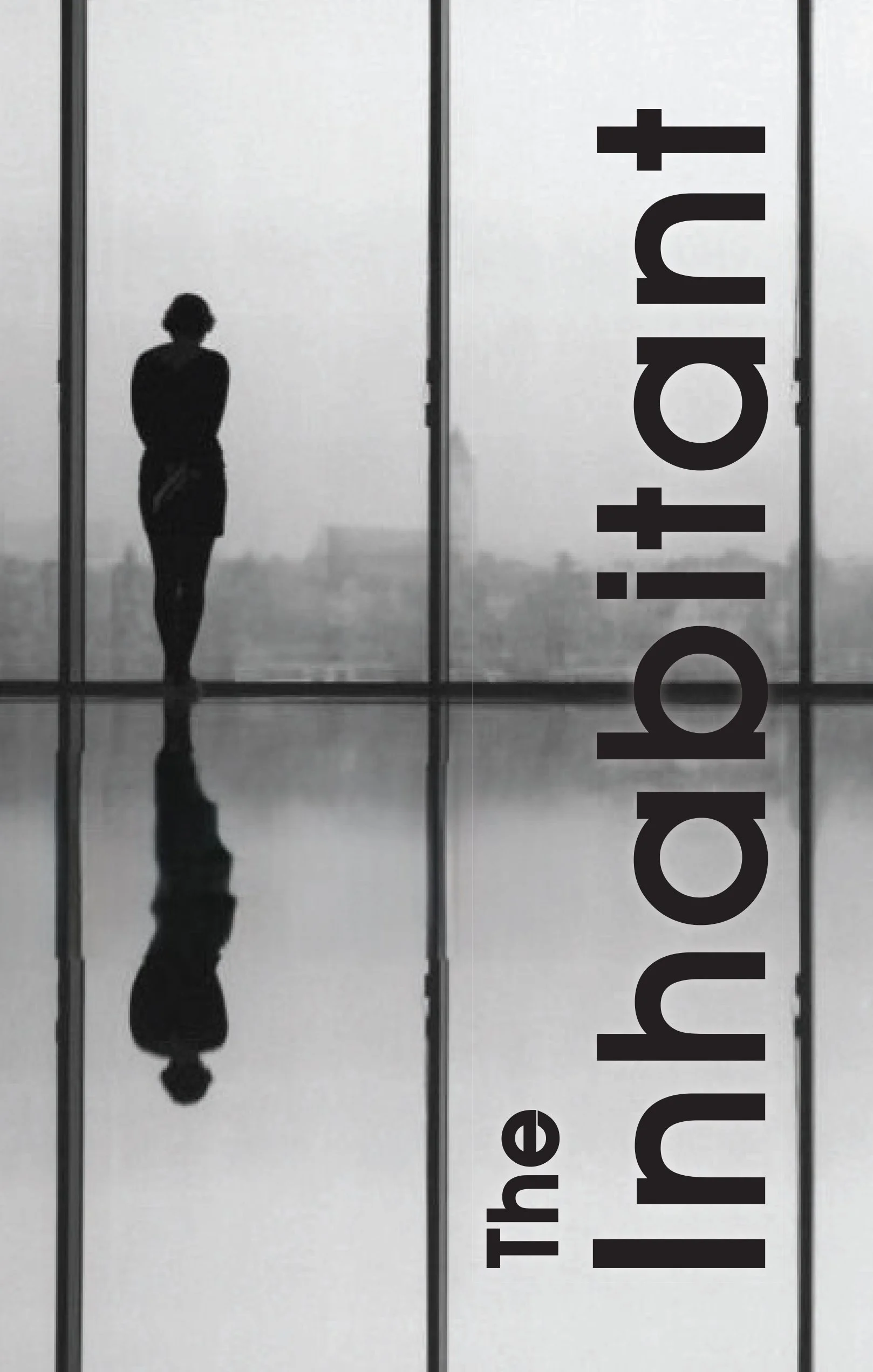
The general dispatched by a populist government’s invading force requisitions a glass house overlooking a captive city.
The architect who built it is gone — relocated, supervised, reduced. What is left behind is everything he ever thought: books, music, drawings, private notebooks, the record of a mind that spent decades pressing at the question of how to live without lying about the ground on which that life is lived.
Alone through the occupied winter, the general begins to inhabit this world...
This is not a novel about conversion. It is about something stranger and more lasting. What happens when a life of absolute certainty encounters, in the silence of another’s archive: the first questions it cannot file and forget, the threads that pull without tearing. It is the story of two men who have spent their lives standing, in vastly different ways, at the edge of the same void.
A novel about the gap between occupation and inhabitation, certainty and its dissolution, and the fragile encounter between lives that have no reason to understand each other, and do. The Inhabitant is a novel about truly seeing, about what we become when we finally stop managing what we look at.